Written By
Wonolo
Staffing and Recruiting
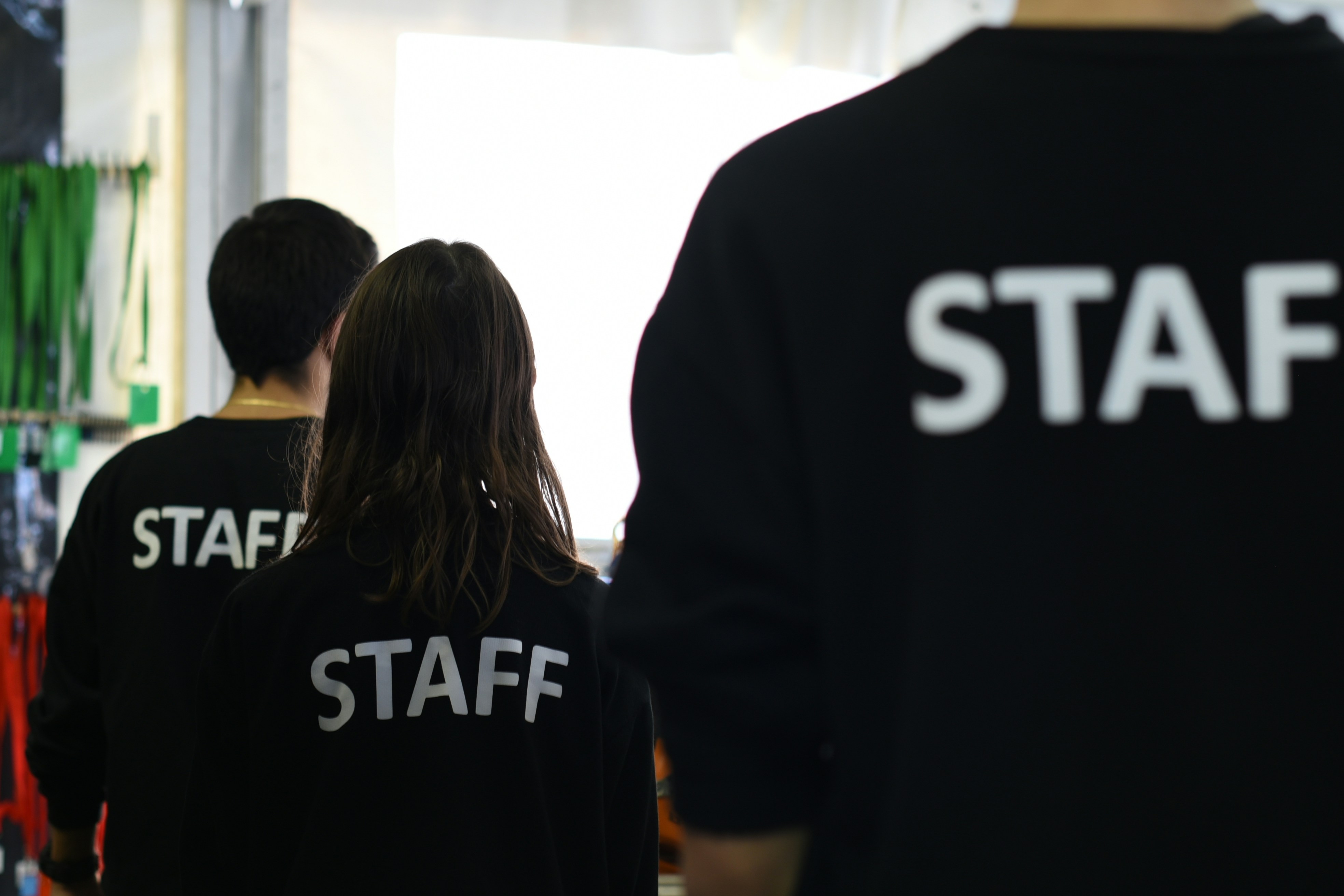
Every successful event — a product launch, a music festival, a corporate conference, a pop-up activation — depends on having the right people in the right roles at the right time. Traditionally, event planners have relied on staffing agencies to source those workers. Today, tech-enabled platforms offer a different approach: faster matching, broader talent pools, and flexible models that scale with the actual shape of your event. This guide breaks down how both models work, where each falls short or excels, and how to choose the right path for your next event.
How Traditional Event Staffing Agencies Work
Traditional event staffing agencies operate much like any other staffing firm. You contact the agency, describe your event's needs — headcount, roles, dates, location — and the agency draws from its internal roster of workers to fill those positions. The agency handles recruiting, interviewing, payroll, and (in theory) training. You pay a markup on each worker's hourly rate that covers the agency's overhead, recruiter salaries, and profit margin.
This model has clear appeal: you outsource the hiring burden to a specialist. But the mechanics introduce friction that matters on event timelines.
The Typical Agency Workflow
Initial consultation and contract negotiation — Often takes one or more weeks before you can begin sourcing workers.
Candidate sourcing — The agency searches its existing database and, if needed, recruits externally. For niche roles (AV technicians, bilingual brand ambassadors), this can extend timelines further.
Screening and placement — The agency vets candidates and assigns them to your event.
Day-of management — Some agencies provide on-site supervisors; others dispatch workers and leave coordination to you.
The process works best when you're planning months ahead for a single, well-defined event. It starts to break down when timelines compress, headcount fluctuates, or you're running multiple events across different markets simultaneously.
Where Traditional Agencies Hit Their Limits
Slow time-to-fill. Agencies that rely on manual recruiting and phone-based outreach often need days or weeks to confirm placements — a problem when event details shift late in the planning cycle.
Constrained talent pools. A regional agency's roster is finite. If the agency is staffing several events on the same weekend, your event may get second-tier workers or unfilled positions.
Rigid engagement models. Most agencies are structured around longer-term placements. Short-notice, single-day, or project-based event work doesn't always fit neatly into their contracts or economics.
Opaque pricing. Markups vary widely, and it can be difficult to understand exactly what you're paying for beyond the worker's hourly wage.
For highly specialized, long-lead events where you need a deeply curated team and hands-on account management, a boutique agency can deliver real value. But for the majority of event staffing scenarios — where speed, scale, and flexibility matter most — the model shows its age.
What On-Demand Event Platform Looks Like Today
On-demand platforms replace the agency's manual, relationship-driven process with technology that matches workers to jobs based on skills, experience, location, and availability. Instead of calling a recruiter and waiting for callbacks, you post a job on a platform and workers who meet your criteria can directly accept the job — often within hours or the same day.
The shift isn't just about speed. It changes the underlying economics and flexibility of how you fill events.
Key Differences from the Agency Model
Factor | Traditional Agency | On-Demand Platform |
|---|---|---|
Time to fill | Days to weeks | Hours to same-day |
Talent pool | Agency's internal roster | Large, distributed worker pools |
Engagement flexibility | Contract-based, often longer-term | Single-day, ongoing, seasonal, project-based needs |
Matching method | Manual recruiter judgment | AI-powered matching on skills, experience, location |
Scalability | Limited by recruiter bandwidth | Scales with worker community size |
On-demand doesn't mean low-quality or unvetted. The best platforms combine algorithmic matching with meaningful vetting — for example, verified certifications set by the business.
When On-Demand Makes the Most Sense
On-demand is particularly well-suited for:
Last-minute or short-notice needs — A sponsor drops out, headcount changes, or weather forces a venue shift. You need workers fast.
High-volume, multi-role events — Conferences, festivals, and trade shows that require dozens or hundreds of workers across setup, registration, food service, breakdown, and more.
Recurring event programs — A venue or brand running weekly or monthly events can build a preferred roster of reliable workers over time rather than re-engaging an agency for each occurrence.
Geographic spread — National brands running simultaneous activations in multiple cities need a staffing solution with broad geographic coverage, not a patchwork of regional agencies.
Staffing Solutions That Fit Real Event Needs
Events rarely fit a single template. A three-day conference might need setup crews two days before doors open (project-based), front-of-house staff for the event itself (on-demand or short-term), and AV support that recurs across a quarterly event series (ongoing). The most effective approach lets you mix models without managing multiple vendor relationships.
Online job marketplace platforms can support this kind of flexibility natively. Through a single platform, event organizers can access multiple models:
On-demand for same-day or short-notice coverage when plans change fast.
Ongoing for recurring events where the same workers return, building familiarity with your venue, brand standards, and workflows — reducing onboarding overhead each time.
Seasonal for predictable peak periods like summer event seasons or holiday hospitality surges.
Project-based for defined engagements with a clear start and end date — a product launch, a pop-up, a festival weekend.
Temp-to-perm for workers who prove themselves on events and transition into other direct roles with your organization.
This range matters because sourcing for events isn't just about filling a job. It's about building a labor strategy that accounts for variability, quality, and cost control across your entire event calendar.
FAQs
How do event staffing agencies work?
Traditional event staffing agencies maintain a roster of workers and match them to client events based on availability and role fit. You typically go through a consultation, contract negotiation, and sourcing process that can take days to weeks. The agency handles payroll and administration, charging a markup on each worker's hourly rate. Quality and speed vary significantly by agency size, specialization, and concurrent event volume.
What are on-demand job marketplace platforms?
On-demand job marketplace platforms use technology to match workers with event jobs on a same-day or short-notice basis. Rather than relying on a recruiter's manual process, these platforms use algorithms that consider worker skills, experience, certifications, and location to surface the jobs to qualified workers quickly. Many teams find this approach reduces fill times compared to traditional agencies, though the right choice often depends on the event's complexity and lead time.
How can I fill an event quickly when plans change last minute?
A good starting point is working with a platform that supports on-demand or same-day job posting with a large, active worker community in your market. Certain platforms enable businesses to post jobs and begin receiving matched, vetted workers within hours. Building a preferred worker roster from prior events also helps — workers who already know your operations can step in with minimal ramp-up time.
Are on-demand job marketplace platforms reliable enough for high-stakes events?
It often depends on the platform's vetting process and worker community quality. Platforms that offer verified certifications and configurable vetting options give you meaningful quality controls. Many event organizers find that AI-powered matching combined with a preferred roster of proven workers delivers reliability comparable to traditional agency relationships.
Can I use the same solution for one-off events and recurring event programs?
Many teams find value in a single platform that supports multiple models — on-demand for one-off needs, ongoing for recurring programs, seasonal for peak periods, and project-based for defined engagements. This avoids managing multiple vendor relationships and helps you build institutional knowledge with workers who return across events.
How Businesses Use Wonolo To Source for Events
Wonolo created and maintains a technology-enabled job marketplace platform enabling businesses to connect with over one million workers across the United States. For events specifically, businesses can post jobs spanning event setup and breakdown, load-in and load-out crews, registration and check-in, event-day operations, banquet staff, bartenders, servers, kitchen prep, and more.
Here's how the process works in practice:
Post your event jobs on the Wonolo platform. AI-powered tools help you write job descriptions that attract the right workers based on industry-specific insights.
Wonolo's matching engine surfaces the job to workers based on skills, experience, interests, and location — not just who happens to be available. This differs from random methods used by some alternatives.
Configure your job specifications. Need food handler certificates? Forklift certification? OSHA certification? The Worker Badges system displays verified certifications and licenses on worker profiles, and the platform filters for your specifications.
Manage jobs end-to-end — posting, filling, and reviewing all happen within the platform, with real-time analytics to help you optimize.
Build a preferred roster. After an event, identify the workers you wish to invite back for future jobs. Over time, you develop a reliable bench of workers who already know your business.
Wonolo also provides a dedicated Business Support team and in-market experts who can help with on-the-ground operational needs — so you get the efficiency of a technology platform with the human support that complex events sometimes require.
A common objection to platforms is that you lose the personal touch of an agency relationship. Many teams find that the combination of AI-driven matching, configurable vetting, preferred worker lists, and dedicated support addresses that concern directly. You can get both speed and consistent quality when you choose a platform designed for filling event work.